
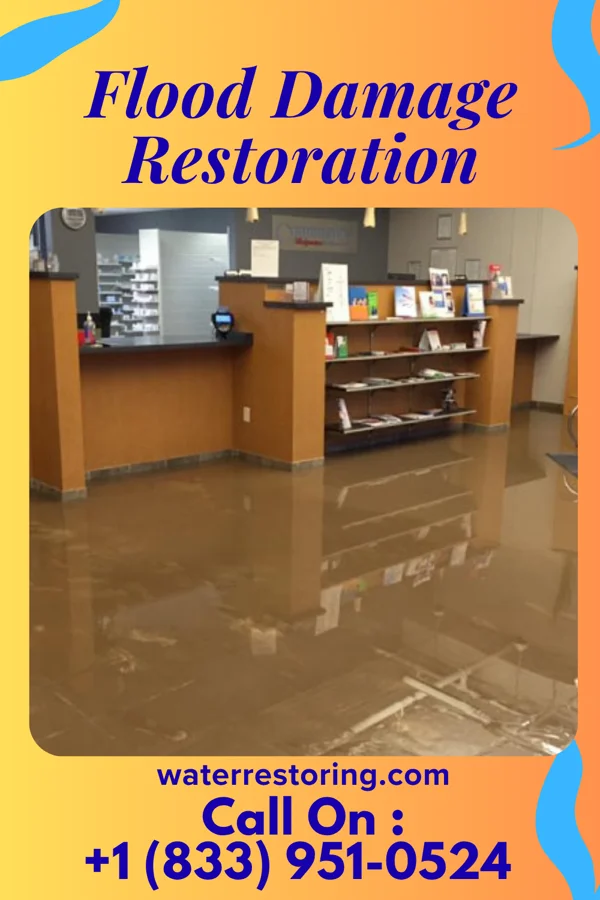
When Belt Properties Need Flood Recovery
Water damage in Belt usually starts with Belt, Montana is prone to flooding due to its location near the Yellowstone River and its rural terrain, which can lead to rapid water accumulation during heavy rainfall or snowmelt. The area's low-lying fields and lack of natural drainage contribute to localized flooding, particularly in the spring and early summer months.. Professional restoration follows the IICRC protocol on every job. Assess. Extract. Dry. Sanitize. Document.
Belt experiences a semi-arid climate with cold winters and warm summers, but the region is susceptible to flash flooding due to sudden rainstorms and the melting of mountain snowpack. The surrounding agricultural land can also contribute to runoff that impacts nearby communities.
Water damage in Belt follows a few local patterns. Belt, Montana is prone to flooding due to its location near the Yellowstone River and its rural terrain, which can lead to rapid water accumulation during heavy rainfall or snowmelt. The area's low-lying fields and lack of natural drainage contribute to localized flooding, particularly in the spring and early summer months. accounts for the bulk of our calls. Belt experiences a semi-arid climate with cold winters and warm summers, but the region is susceptible to flash flooding due to sudden rainstorms and the melting of mountain snowpack. The surrounding agricultural land can also contribute to runoff that impacts nearby communities. In Belt, Montana, mold can begin to grow within 48 hours of water exposure. That's why we emphasize rapid response and thorough drying to prevent long-term health and structural issues.