
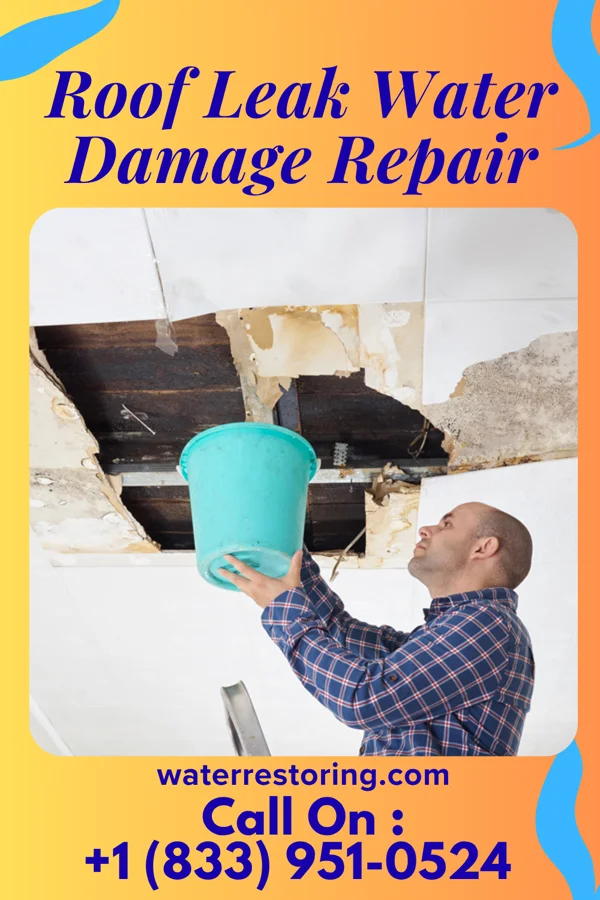
Active Roof Leak Containment in Belt
Most water damage emergencies in Belt start with Belt, Montana experiences frequent spring and summer thunderstorms that can lead to heavy rainfall and wind-driven water infiltration. The region is also prone to sudden temperature fluctuations, which can cause roofing materials to expand and contract, creating vulnerabilities for leaks.. A close second is In the fall, Belt often sees strong winds and occasional snowfall that can damage roofing systems, especially if the roof is not properly maintained. Winter storms may bring ice dams that form along the roof edges, leading to water backup and leaks.. From the second water touches the property, every minute changes what gets saved and what gets ripped out.
Belt's climate, with its cold winters and wet summers, puts roofs at risk for both freezing and thawing cycles, as well as moisture buildup. These conditions can lead to mold growth, structural weakening, and long-term damage if not addressed promptly.
Belt's climate, with its cold winters and wet summers, puts roofs at risk for both freezing and thawing cycles, as well as moisture buildup. These conditions can lead to mold growth, structural weakening, and long-term damage if not addressed promptly. The dominant local driver is Belt, Montana experiences frequent spring and summer thunderstorms that can lead to heavy rainfall and wind-driven water infiltration. The region is also prone to sudden temperature fluctuations, which can cause roofing materials to expand and contract, creating vulnerabilities for leaks., with In the fall, Belt often sees strong winds and occasional snowfall that can damage roofing systems, especially if the roof is not properly maintained. Winter storms may bring ice dams that form along the roof edges, leading to water backup and leaks. showing up as the next most common cause. Damage builds in stages. Spread. Absorption. Microbial growth. Structural compromise. Every stage you pass through adds to the final bill.
For public guidance on the health effects of mold after prolonged water exposure, see the EPA mold and health page.